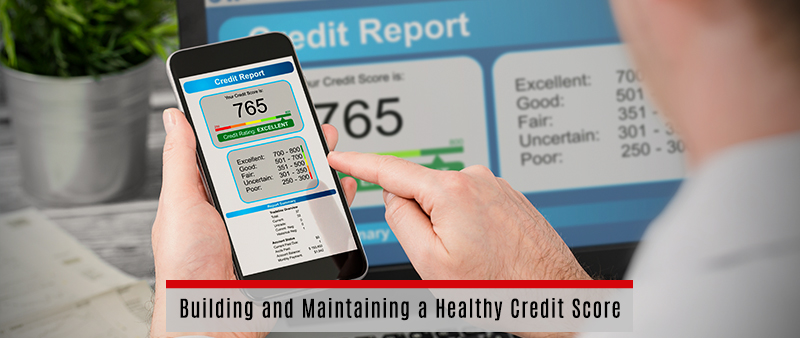
As you probably know, your credit score is one of the most important aspects in having a healthy financial life. That score can affect so many aspects of your life, from being approved for loans and credit cards to owning or renting a home. Your credit score can also impact what you’ll pay in interest rates and even your job prospects. However, there are various ways to help improve your score, regardless of how high or low it is. Here are a few tips to help you get started:
- Don’t ignore your debt – manage it as you go. Building up your payment history is an important step, but at the same time, you don’t want to max out your existing line of credit. To start, don’t charge more than 30 percent of your available credit, and to keep your credit score active, use your credit card for smaller purchases – coffee, a tank of gas, even a small personal purchase – and pay it off every month.
- Pay your bills on time – every time. They say that the number one thing you’re supposed to do when you receive a bill is to pay it on time every time. However, you’d be surprised how many people don’t always do that. Whether it’s your electric or gas bill, car payment, or even a credit card for your favorite retailer, keeping an on-time payment record shows credit reporting agencies that you can be trusted to make smart financial decisions, thus making you more qualified for loans or credit cards.
- Keep your credit history safe and secure. One of the ways your credit score can deteriorate is if you accrue a number of inquiries (or hits) on your credit history, such as late payments and fees, as it can seem like you’re using credit to bankroll your lifestyle. As such, this can result in being denied approval for credit cards and loans, as lenders may see you as unreliable. You can avoid this by not applying for multiple credit cards, cosign loans for friends, or applying frivolously for aforementioned credit cards because you can get freebies.